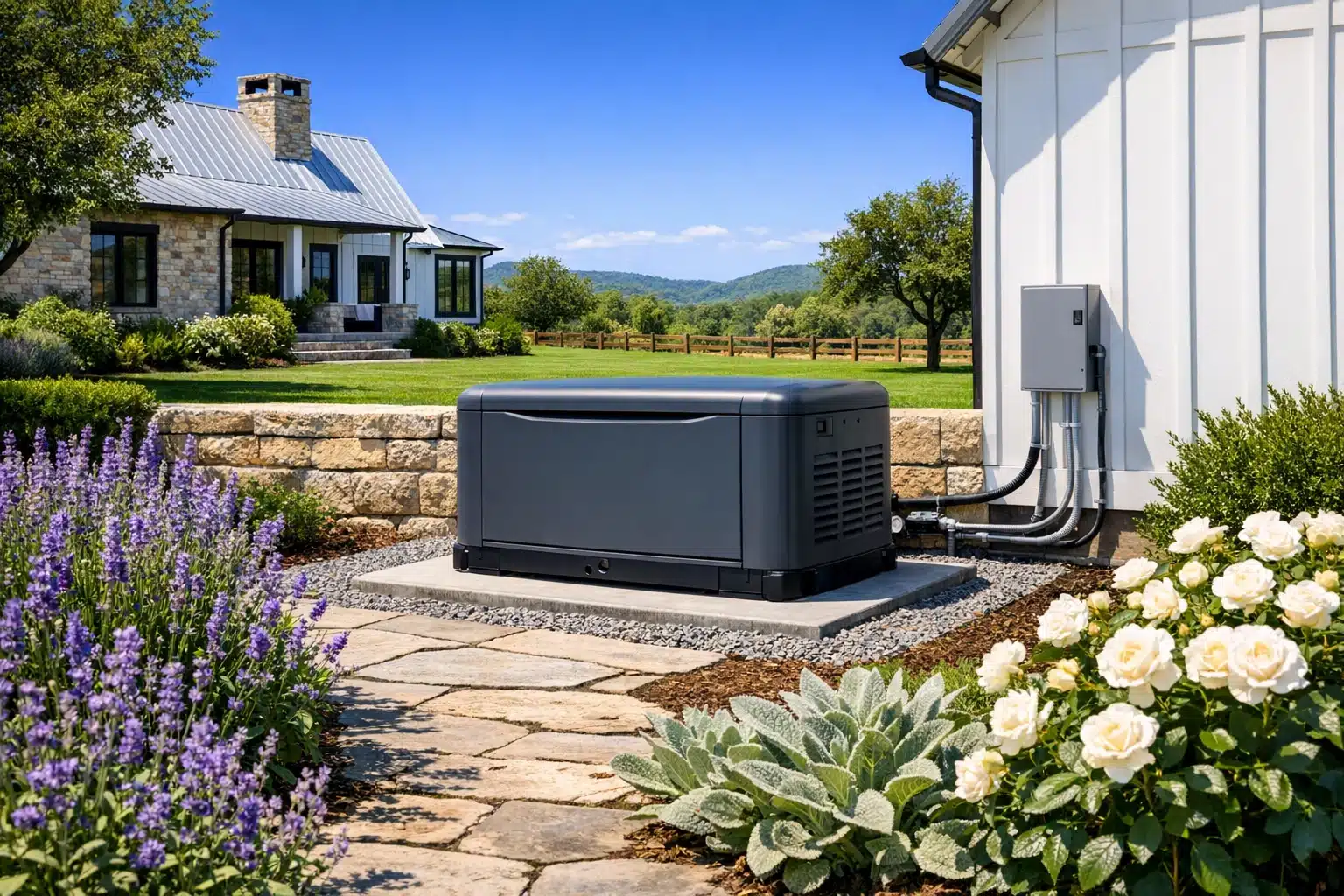
Learn about Generator Installation
Power outages rarely arrive with perfect timing, and that is exactly why generator planning matters before the lights go out. Whether you are protecting a family home, a home office, or appliances that cannot be left powerless for long, professional installation turns backup power from a rough idea into a dependable system. This guide explains what generator installation services usually include, how home generator installation works, and which factors shape whole house generator installation cost. Read on for a practical look at the decisions that affect safety, comfort, and long-term value.
Article Outline and Why Generator Installation Deserves Careful Planning
Before comparing brands, fuel types, or price quotes, it helps to understand the road map. Generator installation is not a single purchase followed by a quick hookup. It is a chain of decisions involving electrical demand, fuel supply, placement rules, permitting, labor, and ongoing service. A generator may sit quietly for months, but when the neighborhood falls dark and the refrigerator hums back to life, every earlier decision suddenly proves its worth. In that sense, backup power is part insurance policy, part construction project, and part long-term home systems upgrade.
This article is organized to answer the questions most homeowners and property managers ask first. The outline below shows the path:
- What generator installation services usually include, from assessment and permits to testing and maintenance
- How home generator installation works in practice, including site evaluation, transfer switches, fuel connections, and code compliance
- What affects whole house generator installation cost, with realistic price ranges and common extras
- How to compare quotes, select installers, and avoid expensive oversights
- What kind of final decision makes sense for homeowners who want reliability without overspending
These topics matter because installation quality influences more than convenience. A poorly sized system can leave essential circuits unsupported. A weak fuel plan can shorten runtime. A rushed electrical connection can create safety hazards or fail inspection. Even placement matters; generators must often meet clearance rules related to doors, windows, vents, and property lines. Local codes vary, and installers typically need to coordinate electrical work with gas or propane technicians and municipal inspectors.
There is also a financial angle. Many shoppers focus on the sticker price of the generator itself, yet the total installed cost often tells the real story. Labor, transfer equipment, concrete pads, permits, trenching, and service upgrades can shift a project by thousands of dollars. That is why an informed buyer looks beyond a catalog number. The sections that follow unpack each piece in plain language, helping readers understand where their money goes and how to balance preparedness, performance, and practicality.
What Generator Installation Services Usually Include
When homeowners search for generator installation services, they are often thinking about the physical act of setting a machine beside the house and connecting it to the electrical panel. In reality, professional installation is broader and more technical than that. A complete service package usually begins with an assessment of the home’s power needs. Installers may review square footage, major appliances, HVAC equipment, sump pumps, well pumps, medical devices, and other critical loads. This helps determine whether the customer needs a smaller backup system for selected circuits or a whole house generator that can support nearly everything at once.
From there, reputable providers typically handle several project stages:
- Load calculation and generator sizing
- Site inspection and placement planning
- Permit applications and code review
- Transfer switch selection and installation
- Fuel connection work for natural gas, propane, or diesel systems
- Startup testing, commissioning, and owner instruction
- Optional maintenance agreements and annual service visits
One of the most important components is the transfer switch. This device safely disconnects the home from utility power when an outage occurs and routes electricity from the generator instead. Without a properly installed transfer switch, backfeeding can occur, which is dangerous for utility workers and damaging to home electrical systems. Automatic transfer switches are common with standby generators, allowing the system to start within seconds of a power failure. Manual switches are less costly but require the homeowner to take action during an outage.
Installation services also involve practical details that are easy to underestimate. The generator may need a level base or pad. Gas piping might need to be upsized if the new engine requires more fuel volume than the existing line can deliver. Electrical panels may need modifications if space is limited or if the home has older equipment. In some cases, installers coordinate with utility companies or fuel suppliers to verify compatibility and safe operation.
Not all companies provide the same level of service, so quote comparisons matter. Some bids include permits, startup, and the first maintenance visit, while others separate those costs. Asking what is included can prevent confusion later. The best installation services do more than sell equipment. They guide the homeowner from planning through inspection, making sure the system is safe, legal, and ready for the kind of day when the weather turns rough and the lights go out all at once.
How Home Generator Installation Works Step by Step
Home generator installation follows a fairly logical sequence, even though the details vary by property. The first step is usually a consultation. During this visit, the installer evaluates the home’s electrical demand, fuel availability, and physical layout. A small urban lot with limited clearance will create different constraints than a rural property with propane storage and ample space. Homeowners also need to decide what level of backup they want. Some only want essentials such as refrigeration, internet, lights, and heat circulation. Others want the house to operate almost normally during an outage, including air conditioning, electric cooking, laundry, and entertainment systems.
After the assessment, the contractor recommends a generator size, commonly measured in kilowatts. For many homes, standby units in the 10 kW to 26 kW range are common, though larger properties can require more capacity. Once the system is chosen, the project moves into design and permitting. This may include electrical plans, a permit application, fuel piping approval, and local inspection scheduling. In many areas, the physical installation might take one to three days, but the full project timeline can stretch to several weeks because of permit approvals and coordination between trades.
The core installation process often includes the following tasks:
- Preparing the site and placing a concrete or composite pad
- Setting the generator with required clearances from openings and combustibles
- Installing or connecting the automatic transfer switch
- Running electrical wiring between the generator, switch, and service panel
- Connecting natural gas or propane lines sized for the unit’s fuel demand
- Testing startup, load transfer, shutdown, and safety functions
Safety and code compliance are central throughout the job. Generators produce exhaust, heat, noise, and electrical current, so placement is not arbitrary. Manufacturers and local codes often specify minimum distances from doors, windows, vents, and ignition sources. Fuel pressure must be correct. Electrical grounding and bonding must be done properly. A standby generator that starts beautifully on day one but fails inspection or starves for fuel under load is not a successful project.
Once installation is complete, the homeowner should receive a walkthrough. This should cover startup behavior, maintenance intervals, warning indicators, shutoff procedures, and expected exercise cycles. Many standby units perform automatic self-tests weekly or biweekly. That quiet routine is reassuring: the machine is practicing for the moment it will be needed most. In a well-installed system, the transition during an outage can feel almost theatrical, as if the house briefly takes a breath and then continues on with business as usual.
Whole House Generator Installation Cost: What You Are Really Paying For
Whole house generator installation cost is one of the most searched phrases in this category because buyers quickly discover that the generator itself is only part of the expense. In the United States, a professionally installed standby generator system for a typical home often falls somewhere around 7,000 dollars to 20,000 dollars or more, depending on size, fuel type, labor complexity, and regional pricing. Larger homes, premium brands, difficult sites, and electrical upgrades can push totals beyond that range. These numbers are broad estimates, not fixed offers, but they reflect how widely project scope can vary.
A useful way to understand pricing is to break it into parts:
- Generator unit: often about 3,000 dollars to 10,000 dollars or more depending on output and features
- Automatic transfer switch and controls: roughly 800 dollars to 2,500 dollars
- Electrical labor and materials: commonly 1,500 dollars to 4,000 dollars
- Gas or propane piping work: often 1,000 dollars to 3,500 dollars
- Pad, placement, and site preparation: about 300 dollars to 1,200 dollars
- Permits and inspections: roughly 100 dollars to 1,000 dollars depending on locality
- Optional extras such as trenching, panel upgrades, remote monitoring, or sound considerations
Why do quotes differ so much? First, size matters. A generator sized only for essential circuits costs less than one designed to run central air, electric water heating, kitchen loads, and the rest of the house simultaneously. Second, fuel matters. Natural gas can be convenient where utility service is available, but the gas meter or piping may need upgrades. Propane offers flexibility, though tank installation and refills add planning and ongoing cost. Diesel is less common for typical homes but may suit certain use cases.
Labor complexity is another major variable. If the generator can sit near the electrical service and fuel source, installation is simpler. If the property requires trenching, long wire runs, retaining walls, or difficult access for equipment, cost rises. Older homes may need panel work to support a safe and code-compliant connection. Some projects also include load-shedding modules, which allow the system to prioritize certain appliances rather than power every heavy load at once.
Homeowners should also budget for ownership, not just installation. Annual maintenance may run roughly 200 dollars to 500 dollars or more depending on service level, model, and local labor rates. Batteries, oil, filters, and occasional repairs add to the life-cycle cost. The smartest way to compare proposals is not to ask, “Which quote is cheapest?” but rather, “Which quote clearly explains capacity, included work, exclusions, warranty support, and long-term service?” That question usually leads to a better buying decision.
Conclusion for Homeowners: Choosing the Right Installation Path
For homeowners, the right generator installation is rarely the biggest unit with the flashiest brochure. It is the system that matches the home’s real needs, fits the budget honestly, and is installed by professionals who understand electrical safety, fuel delivery, local code, and long-term maintenance. If the goal is to protect basic comfort and essentials, a smaller setup tied to selected circuits may be enough. If the household includes remote work, medical equipment, frequent outages, or a strong preference for seamless continuity, a whole house standby system may be worth the added investment.
As you compare options, keep a few practical priorities in view:
- Ask for a written load assessment rather than relying on guesswork
- Confirm exactly what the quote includes, especially permits, startup, and fuel work
- Review warranty terms for both equipment and labor
- Ask about maintenance plans, response times, and parts availability
- Make sure the installer explains placement clearances and inspection requirements
It is also wise to think beyond emergencies. A generator affects day-to-day property planning because it occupies outdoor space, requires periodic service, and becomes part of the home’s mechanical infrastructure. That is not a drawback; it simply means the decision should be made with the same care given to HVAC replacement, roofing, or a panel upgrade. A well-chosen system can reduce stress during storms, preserve food and comfort during utility interruptions, and support a home that increasingly depends on electricity for work, communication, and safety.
The most important takeaway is that generator installation services are valuable when they solve the whole problem, not just the sales part. Good installers size the system correctly, manage permits, coordinate trades, complete safe connections, test performance, and leave the homeowner with clear instructions. Good buyers, in turn, ask informed questions and compare complete project value rather than headline price alone. If you are planning home generator installation and evaluating whole house generator installation cost, start with your essential power needs, request detailed estimates, and choose reliability over shortcuts. When the grid goes quiet, that preparation can make the difference between a house that stalls and a house that keeps moving with calm, steady confidence.