Learn abot Car Transport
Outline and Why Car Transport Matters
Cars rarely move from one owner, workshop, or city to another without a quiet chain of choices behind the scenes. A trailer dealer affects safety, a dealer centre shapes buying confidence, and a recovery service can either rescue your day or stretch your budget. For drivers, traders, and first-time buyers alike, understanding these links turns guesswork into planning. That matters because the cheapest option on paper is not always the lowest cost once delays, damage risk, and surprise fees enter the story.
This article follows a practical outline so the reader can move from broad understanding to useful action. It begins with car trailers and the process of finding a dealer who matches the vehicle, towing setup, and intended use. It then shifts to the idea of a car dealer centre, which can mean a physical dealership hub, a multi-brand sales site, or a central listing platform that connects buyers with stock. After that, it examines cheap car recovery, including the difference between a fair low-cost service and a risky bargain that becomes expensive later. The last section brings everything together with a comparison checklist aimed at people who want confidence, not confusion.
Transport choices matter because the technical details are not small details at all. Trailer payload, axle design, hitch rating, tyre condition, and brake setup determine whether a journey feels routine or stressful. Dealer centres matter because paperwork, inspection standards, warranties, and aftersales support influence the true value of a vehicle. Recovery matters because a stranded car can create urgency, and urgency often invites poor decisions. In many cases, buyers focus on the headline price while missing towing limits, admin fees, storage charges, or the cost of fixing damage caused by poor loading.
There is also a wider reason this topic stays relevant. Used vehicle markets remain active, online buying has expanded search areas, and more people now buy cars located several towns away instead of around the corner. That increases demand for trailers, transport quotes, and dealer networks. A family moving house may need a non-running second car collected. A small trader may need auction stock delivered efficiently. An enthusiast restoring an older coupe may need enclosed transport to protect fresh paint from weather and road grit. Each case looks different on the surface, yet the core questions stay the same: who is handling the vehicle, what are they promising, and what exactly is included in the price?
Think of transport as the invisible bridge between decision and delivery. When that bridge is built well, the process feels smooth and predictable. When it is built badly, every mile shakes loose a new problem. The sections that follow are designed to help readers spot the difference before money changes hands.
Car Trailers: How to Find a Dealer That Fits Your Needs
When people search for “car trailers find a dealer,” they are usually looking for more than a showroom address. They want a supplier who understands towing limits, legal requirements, maintenance, and the real working differences between trailer types. A good dealer does not simply point at a shiny frame and quote a price. Instead, they ask what vehicle will be carried, what tow vehicle will pull it, how often the trailer will be used, and whether the route includes steep hills, long motorway runs, or narrow country lanes. That conversation matters because the wrong trailer can be inconvenient at best and unsafe at worst.
The first comparison is between common trailer styles. Open trailers are usually lighter, more affordable, and easier to store. They are popular for everyday vehicle transport, short-distance moves, and buyers who want a simple loading solution. Enclosed trailers cost more and weigh more, yet they protect valuable cars from rain, debris, and public attention. Tilt-bed trailers make loading easier for low-clearance vehicles because they reduce the breakover angle. Multi-car trailers serve trade users but demand more skill, careful loading balance, and a tow vehicle with serious capability. Single-axle units can be fine for lighter jobs, while twin-axle models often offer better stability and higher payload capacity.
Payload is where many buyers get caught out. A trailer’s total weight rating includes the trailer itself plus the car on top, so a bigger-looking trailer does not automatically mean a bigger legal carrying allowance. Car trailers commonly range from around 1,300 kg gross weight for compact units to 3,500 kg for heavier braked models, although exact specifications vary by manufacturer and market. If a trailer weighs 900 kg empty and its gross rating is 2,700 kg, the usable payload is about 1,800 kg, not 2,700 kg. That sounds obvious after the fact, yet it is one of the most common misunderstandings in trailer buying.
A reliable dealer should help with these checks:
• tow vehicle towing limit
• nose weight or tongue weight guidance
• trailer brake type and servicing needs
• tyre age and load rating
• ramp strength and loading angle
• tie-down point quantity and placement
• spare parts availability
• warranty terms and aftersales support
Dealer type also changes the buying experience. Franchise dealers may offer stronger brand backing, easier access to original parts, and clearer warranty procedures. Independent trailer specialists often provide broader advice across brands and may be more flexible on pricing or custom features. Local dealers make it easier to inspect build quality in person, while online sellers sometimes provide wider inventory but require extra caution around delivery, assembly, and support. Ask for photos of the underside, electrics, hitch assembly, and identification plates rather than relying only on polished marketing images.
A trailer is not just metal on wheels; it is a moving contract between weight, balance, and control. The best dealer is the one who helps you respect that contract. If the seller avoids technical questions, rushes the sale, or cannot explain service intervals, keep looking. A better conversation today is cheaper than a harder lesson tomorrow.
Car Dealer Centre: What Buyers and Sellers Should Actually Expect
The phrase “Car Dealer Centr” often appears in searches when people are really trying to find a central car dealer hub, a multi-brand dealer centre, or an online marketplace connected to physical stock. Whatever the spelling, the idea is important: a dealer centre is meant to simplify the buying process by gathering inventory, finance options, part exchange services, inspections, and handover support in one place. In theory, it saves time. In practice, its value depends on transparency. A smart buyer looks beyond polished forecourts and asks how the cars are sourced, prepared, priced, and backed after the sale.
Compared with a private seller, a dealer centre often offers more structure. Vehicles may be inspected before being advertised. Finance and warranty products are usually available. Trade-ins can reduce the hassle of selling an existing car separately. In many markets, consumer protection is also stronger when buying from a dealer rather than a private individual, especially where faults were present before sale or the vehicle was misdescribed. That does not mean every dealer car is automatically better. It means the process usually includes more paperwork, more recourse, and more opportunities to verify details if the buyer asks the right questions.
Price comparison is where expectations need a reality check. Dealer stock is often more expensive than a private sale because the business has overhead costs, staff, premises, valeting, mechanical checks, and warranty risk. The higher price can be fair if it includes genuine preparation and useful support. It becomes poor value when the price gap is wide but the service adds little beyond a sales pitch. Buyers should ask for a breakdown of any admin fee, delivery fee, preparation fee, or documentation charge. A low advertised price followed by stacked extras is not a bargain; it is a pricing strategy.
Here are practical checks before agreeing to a purchase:
• confirm service history and mileage evidence
• ask whether the vehicle has had paintwork or accident repairs
• verify tyre condition and matching axle pairs
• inspect warning lights during cold start and test drive
• request details of warranty coverage and exclusions
• review finance terms carefully, including total repayable amount
• ask whether there is a return policy or cooling-off period for distance sales where applicable
Dealer centres can be especially useful for buyers who value convenience, broad stock choice, and bundled services. A family looking for a dependable used estate car may prefer one site with several comparable options. A business buyer may appreciate invoice handling and scheduled delivery. An enthusiast, however, may still choose a specialist independent seller if model knowledge matters more than scale. The key is to treat the centre as a source, not a guarantee. Bright lights, coffee machines, and impressive branding are stage dressing unless the basics are solid.
A well-run dealer centre feels like a clear map: the route is visible, the labels make sense, and the destination matches the promise. A poor one feels like a maze built from monthly targets. Buyers do best when they bring their own questions, slow down the pace, and compare the full package rather than the sticker alone.
Cheap Car Recovery: Saving Money Without Creating New Problems
Cheap car recovery is one of those phrases that can mean two very different things. In the best case, it refers to efficient, sensibly priced help from a local operator with the right truck, good insurance, and honest quoting. In the worst case, it describes a service that looks affordable until extra mileage, waiting time, storage, or loading complications inflate the bill. The difference usually appears in the details. When a car will not start, has a flat battery, has suffered mechanical failure, or needs moving from auction, workshop, or driveway, speed matters, but clarity matters just as much.
Recovery pricing is shaped by several variables. Distance is the obvious one, yet it is rarely the only cost driver. Vehicle size and weight influence truck choice. A lowered car, locked steering, seized brakes, or difficult access may require skates, a winch, or additional labour. Night call-outs, motorway recoveries, and urgent same-day jobs often cost more than planned daytime transport. Some firms charge a base fee plus mileage, while others quote a flat rate within a defined area. If the vehicle must be stored overnight, another layer of cost may appear. That is why an unusually low quote can be misleading when the operator has not asked enough questions.
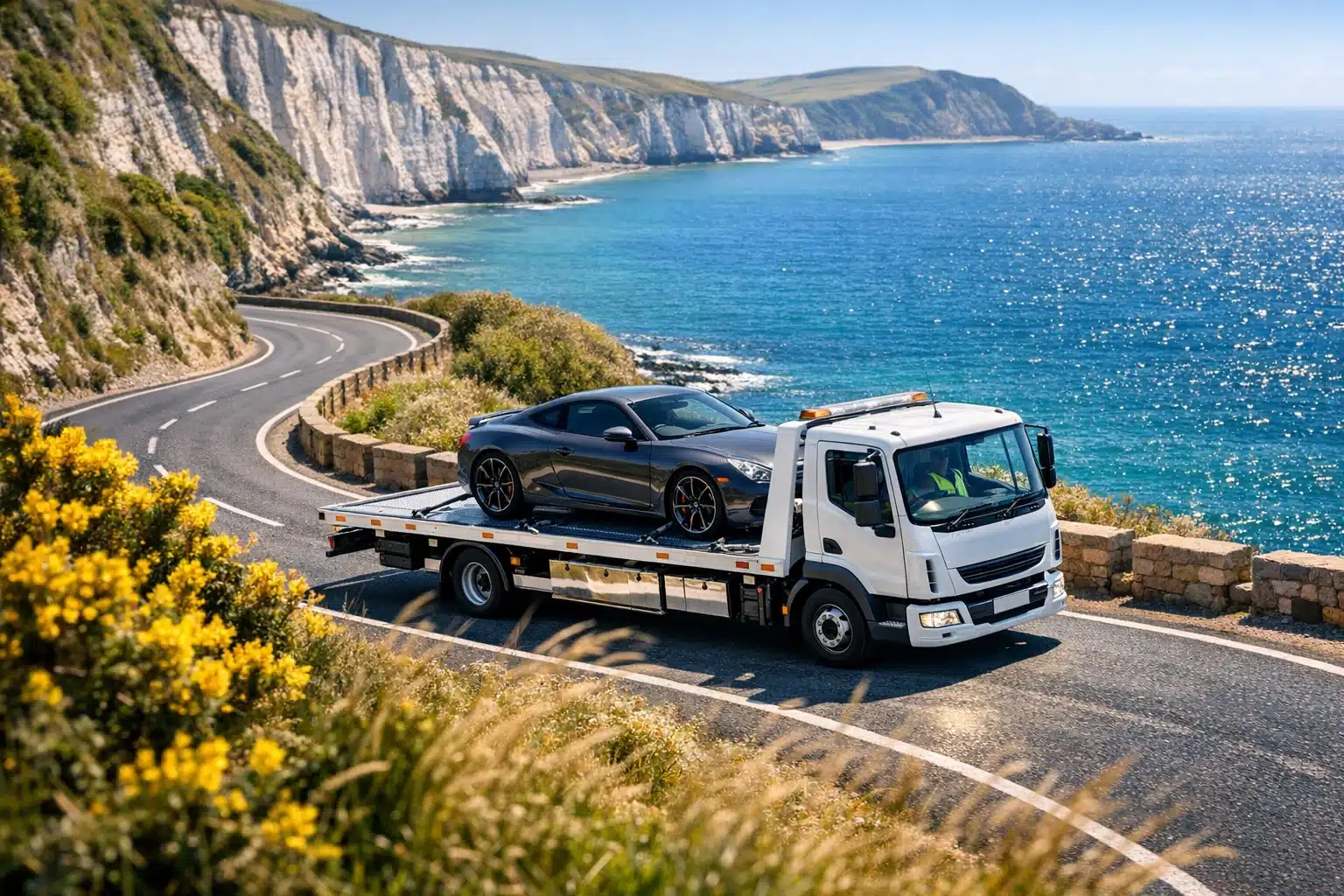
There are also different recovery methods to compare. A tow by wheel-lift can be suitable in some situations, but a flatbed is often preferred for non-runners, automatics, all-wheel-drive vehicles, or cars with unknown mechanical issues. Trailer collection may work well when the provider is set up for vehicle transport rather than emergency roadside response. For long-distance planned moves, transport firms sometimes beat emergency recovery services on price because the job is scheduled and routed more efficiently. Timing, therefore, affects cost almost as much as mileage.
Ways to keep recovery affordable without cutting too deep include:
• provide exact pickup and drop-off postcodes
• state whether the car rolls, steers, and brakes
• mention modifications such as lowered suspension or wide bodywork
• ask for the total price, not just the call-out rate
• confirm insurance cover for the vehicle during transport
• check whether waiting time, tolls, or storage are extra
• book in advance for non-urgent moves whenever possible
Membership breakdown services can also offer value, especially for drivers who cover long distances regularly. However, they are not always the cheapest answer for every situation. Policies may limit recovery distance, exclude trade use, restrict repeated call-outs, or treat home-start and nationwide transport as add-ons. For a one-off move, a local recovery business may be cheaper. For repeated risk exposure, an annual plan may work better. The trick is to match the product to the pattern of use instead of assuming one model suits everyone.
A stranded car can make people feel as if the clock is shouting. That is when clear thinking earns its keep. Cheap recovery is worth pursuing, but only if the service remains insured, competent, and upfront. Saving money is helpful. Saving money while still arriving with the car intact is the real win.
How to Compare Quotes and Choose the Right Transport Option: Final Summary for Buyers, Sellers, and Drivers
Once the trailer dealer, dealer centre, and recovery market are viewed side by side, a useful pattern emerges. Each service sells convenience, but each one delivers value in a different way. Trailer dealers are about equipment and safe capability. Dealer centres are about stock access, transaction support, and documentation. Recovery firms are about movement under pressure or planned transport at short notice. Because the services look different, people often compare them badly. They focus on the first visible number instead of the full chain of cost, risk, and support attached to that number.
A better buying process starts with defining the real job. If you need to move vehicles often, owning or regularly hiring the right trailer may be more economical over time than repeated recovery bookings. If you are purchasing one used vehicle and want legal clarity, a dealer centre may justify its premium through inspection, paperwork, and aftersales help. If your car is off the road today, recovery speed and competence matter more than showroom polish. In other words, the right choice depends less on the label and more on the use case. That sounds simple, yet it prevents a long list of expensive mistakes.
Use this checklist before committing:
• identify the vehicle’s weight, dimensions, and condition
• check what your tow vehicle can legally pull
• compare at least three quotes where possible
• ask what is included and what triggers extra charges
• verify insurance, warranty, or service support
• read reviews for patterns, not isolated praise or complaints
• inspect paperwork before payment or delivery
• keep records of emails, invoices, and agreed terms
For private buyers, the biggest danger is rushing. A dealer centre may look trustworthy, a trailer advert may sound technical, and a recovery quote may feel like a lifeline, yet none of those impressions replaces verification. For small traders, efficiency matters, but so does consistency. A reliable provider who charges a little more can still save money by reducing delays, damage claims, and customer complaints. For enthusiasts and collectors, protection of the vehicle may outweigh headline price, especially when rarity, paint condition, or low ground clearance are involved.
The target audience for this topic is broad, but the lesson is shared. Ask better questions, demand clearer answers, and compare complete solutions rather than fragments. Car transport is not glamorous, yet it touches ownership, safety, budgeting, and peace of mind all at once. Choose carefully, and the whole process feels controlled. Choose casually, and even a short journey can become the longest part of the story.